
8530 Wilshire Blvd. Suite 530 Beverly Hills, Ca 90211
(310)-438-6345 Option 2
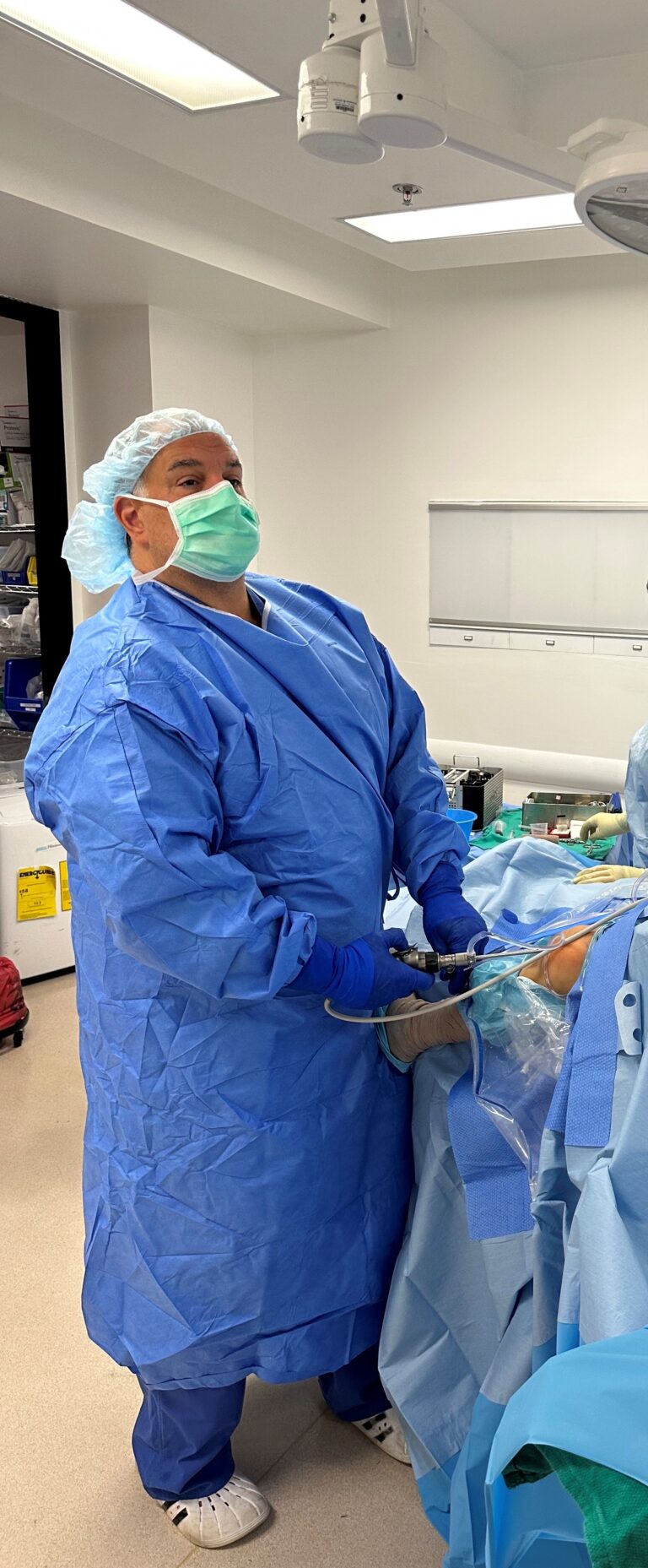
What is Orthopaedic?
Orthopaedic extremity doctors, also known as orthopedic surgeons who specialize in the upper and/or lower extremities (arms, hands, shoulders, hips, legs, knees, feet), focus on diagnosing and treating conditions related to bones, joints, muscles, tendons, and ligaments in those areas. We have also began to implement the OXOS platform for our practice.
- Joint Replacement Surgeries
- Arthroscopy
- Fracture & Trauma Surgery
- Sports Injury Treatment
- Hand/Wrist surgery
- Foot/Anke Procedures
- Tendon & Ligament Repair
- Non Surgical Ortho Treatments
- Diagnostic Services
- Degenerative Condition Management
Diagnostic Services
- Ultrasound or fluoroscopy guided procedures
- X-ray (OXOS platform) & MRI interpretation
- IN office or referred diagnostics for injury evaluation
Non Surgical Orthopedic Treatments
- Join injections
- Casting & bracing
- Physical therapy referrals
- Orthotics & assistive devices
Tendon & Ligament Repair
- Repairs for torn or ruptures tendons (biceps, quadriceps, and achilles)
- Ligament reconstruction (UCL in elbow surgery)
Sport Injury Treatment
- Ligament & tendon repair
- Meniscus repair
- Tendon transfers or reconstructions
- Common among athletes or active individuals
Fracture Care & Trauma Surgery
- Treatment of broken bones in: Hands, wrists, arms, legs, feet and ankles
- Open reduction and internal fixation (ORIF)
- Management of complex or non healing fractures
Foot & Ankle
- Bunionectomy
- Ankle ligament reconstruction
- Flatfoot correction
- Achilles tendon repair
Hand & Wrist
- Carpal tunnel release
- Trigger finger release
- Dupuytrens contracture treatment
- Tendon or nerve repair
Arthroscopy
- Knee arthroscopy
- Shoulder arthroscopy
- Ankle/Wrist arthroscopy
Joint Replacement
- Knee Replacement (total or partial)
- Hip replacement
- Shoulder replacement
- Elbow replacement
FAQ
Orthopedic extremity doctors specialize in conditions affecting the arms, shoulders, elbows, hands, hips, knees, legs, ankles, and feet. They treat everything from fractures and ligament tears to arthritis and chronic joint pain.
This depends on your insurance plan. Some plans require a referral from a primary care provider, while others allow you to schedule directly. It’s best to check with your insurance provider.
Not all orthopaedic conditions require surgery. Many can be treated with physical therapy, medications, injections, or bracing. Surgery is typically considered only after conservative treatments don’t relieve symptoms.
If you have persistent joint or muscle pain, limited mobility, swelling, or an injury that isn’t healing, an orthopaedic doctor can evaluate and provide a diagnosis and treatment plan.
Bring:
A list of symptoms and medical history
Previous imaging (X-rays, MRIs, CT scans)
Insurance information
A list of current medications
Questions you’d like to ask
Recovery varies depending on the procedure and your overall health. Minor procedures may take a few weeks, while joint replacements or tendon repairs can take several months with physical therapy.
Orthopaedic surgeons diagnose and treat bone, joint, and muscle issues, and can perform surgery.
Podiatrists specialize in foot and ankle care.
Physical therapists help with rehabilitation and improving mobility after injury or surgery.